Gavin Adcock and the Making of a Modern Folk Hero
Where fact meets fiction, Gavin Adcock turns life into legend.
Hey y’all. There’s no easy way to pick back up after 16 months of silence, but life has been a little wild. Between raising our son, who is somehow nearing two, and turning Country Minute into a full-time job, we have been everywhere except in front of computer screens. Laura is still holding it down as a morning radio host, and I am finally finding my footing enough to return to where this all began: this newsletter.
The plan is to keep it going, but I have been sitting with this idea for a while, especially as I have fallen deep into the work of Joseph Campbell. Gavin made me feel seen at a time when I needed acknowledgement from someone on the inside of this big, messy, beautiful thing called country music. Watching him grow and flourish since then has been a gift. Here’s to whatever comes next.
—James
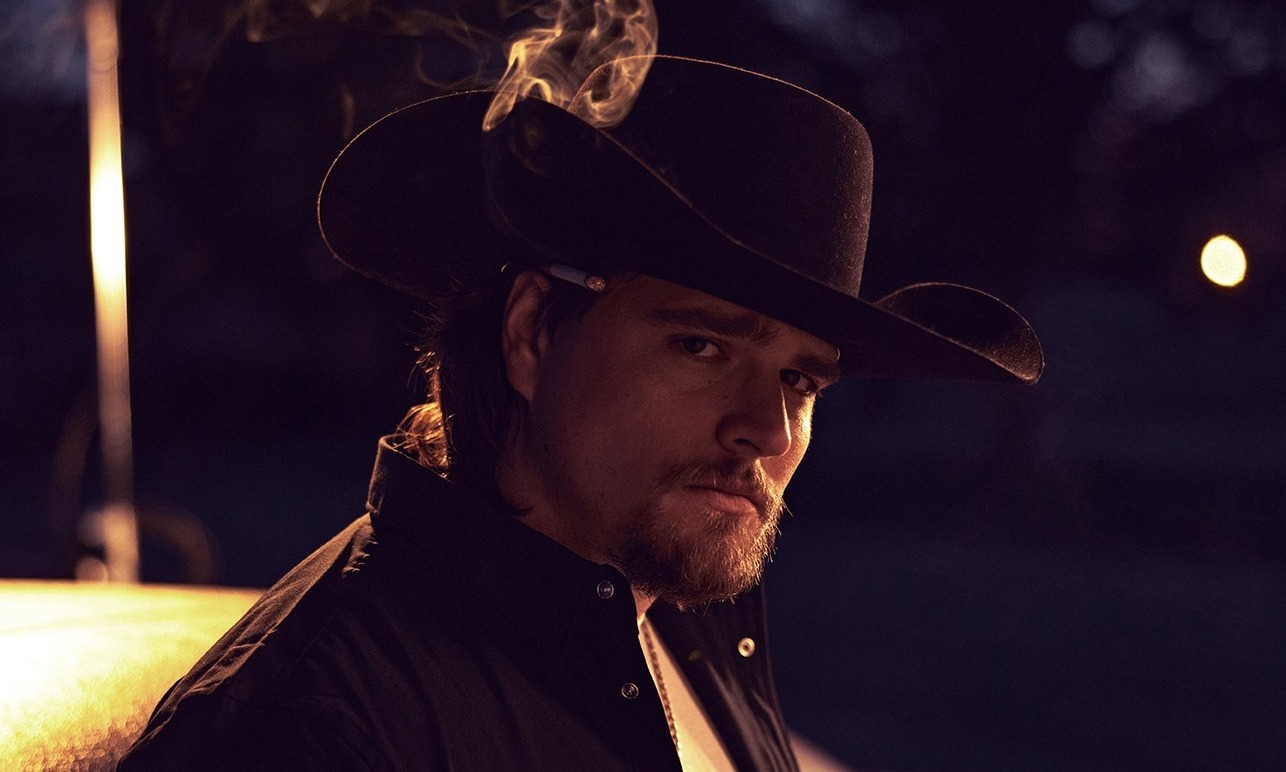
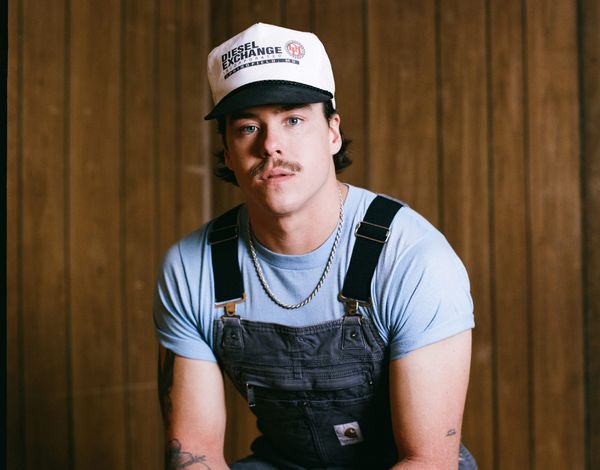
Gavin Adcock performs with an effortless swagger that hypnotizes audiences and sparks an obvious, albeit rarely confessed, envy among his peers. If it’s true that you don’t fully recognize talent until you witness it firsthand, his concerts serve as proof that stars are born rather than made. Watching him on stage, guitar in hand, grinning as beers sail past while singing songs about wild nights and hard love that blur the line between fact and fiction, you can’t help but believe he was put on this Earth to do exactly this. He embodies his persona so convincingly it becomes difficult to tell precisely where the character ends and the man begins. This deliberate ambiguity has propelled Gavin beyond mere performer, elevating him toward something grander, perhaps even mythical.
But let’s not pretend any of this is revolutionary. Country music was built on storytelling, and the artists widely considered the greatest or most influential have always blurred the line between themselves and their iconic characters. Legends like Johnny Cash (“The Man in Black”), Willie Nelson (“The Red‑Headed Stranger”), and Waylon Jennings (“Hoss”) ascended to genre royalty because they sold their personas so well it was nearly impossible to separate the performance from the person. We all know Cash never shot a man in Reno just to watch him die, but the illusion is irresistible because the storytelling is too vivid to question.
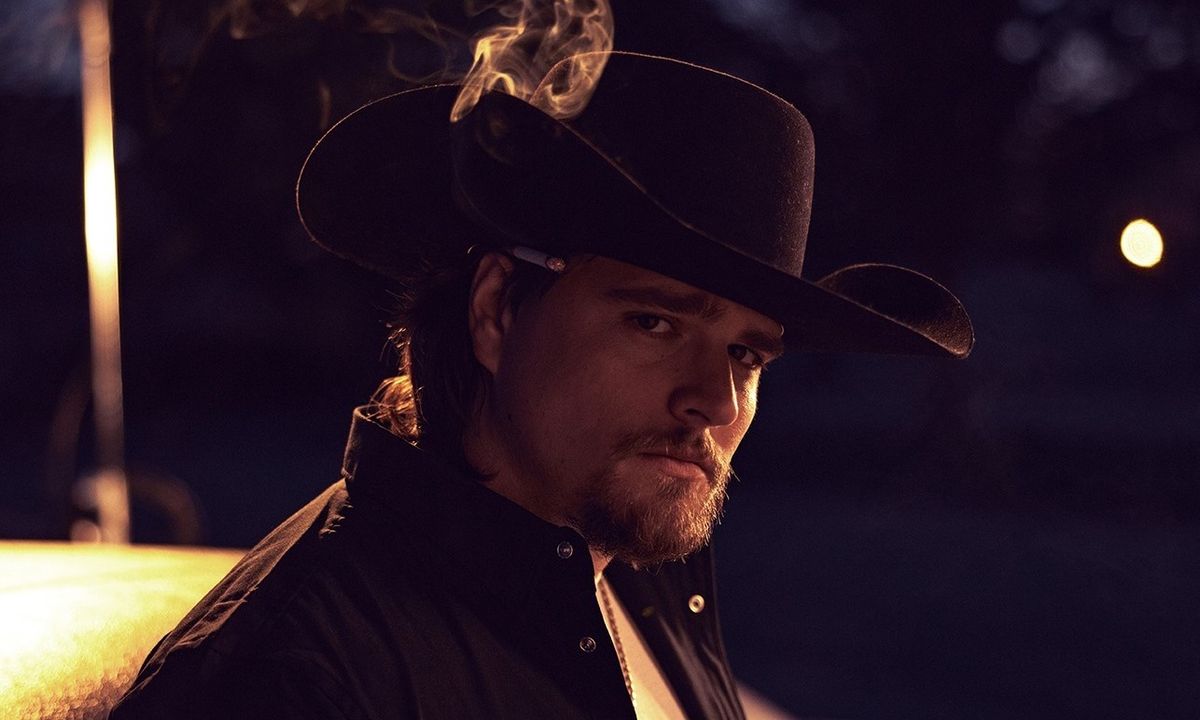
I’ve seen that same spell at work when Gavin Adcock bounds onto the stage with a half‑empty Jack in one hand and a microphone in the other, moving like the night belongs to him. Everything about him, from his movement to his outfit, tells the crowd their hopes to see something real were not wasted. He is every bit the outlaw you wanted, and he’s going to give you a performance that not only lives up to, but helps extend the myth he perpetuates.
Country music’s most enduring figures are not just performers; they are folk heroes. They inhabit their stories until they feel universal, becoming symbolic stand‑ins for the hopes, flaws, and contradictions we all carry. Gavin fits comfortably in that lineage. His songs are unflinchingly honest, willing to acknowledge his own role when things fall apart without ever slipping into self‑pity. He will fight for love or for what is right even when it costs him, and he chases wild nights with the same conviction he brings to chasing his dreams. In many ways, he embodies an idealized modern man, blending the rebel spirit we idolize with a genuine empathy for the human condition.
What gives Gavin Adcock a strategic advantage that few others possess is a provable history of boundary‑pushing moments and real‑life rebellion. His breakthrough across social media came during his university days at Georgia Southern, when a video went viral showing him chugging a beer while standing atop his team’s bus. That moment led to his suspension and eventual departure from the football team, creating a defining incident of youthful defiance that set the tone early for his persona. More recently, on May 21, 2025, Adcock was arrested in Wilson County, Tennessee, after being pulled over for driving 103 miles per hour with an open container in the car. He was released on a $1,000 bond early the next morning. Rather than shy away from the attention, Adcock embraced the moment by posting his mugshot publicly, referring to the arrest as a “joy ride,” and releasing the song “Morning Bail” just days later, even though it had been written beforehand. Few artists can turn a legal brush into both viral marketing and authentic narrative the way Adcock does. That kind of charisma and unapologetic authenticity is rare, and it deepens the mythology audiences invest in.

Still, perhaps Gavin Adcock’s greatest asset is the audience itself. By making himself accessible and doing everything possible to break down the walls between performer and fan, he has created a kind of symbiosis where the crowd becomes an active participant in shaping and spreading the legend of Gavin Adcock while it is still unfolding. An artist can curate an aesthetic, craft a persona, and tell the world exactly who they want to be, but unless the audience accepts and amplifies it, those efforts hold little weight. In Gavin’s case, the fans have become the keepers and evangelists of the myth. They are the ones telling friends about the wild live show where he sang every song they love while slamming beers, walking on tables, and making it clear he has no patience for troublemakers. They are the ones sharing viral clips of him talking candidly about behind‑the‑scenes drama with labels or calling out bad behavior in the industry. They are the ones convincing strangers, “this is worth your time.”
That kind of audience‑driven mythmaking is especially potent in country music because of the genre’s deep‑rooted storytelling tradition and its tightly woven community. Country has always thrived on legends and songs being passed from one fan to another until the line between truth and embellishment no longer matters. In this culture, openness is currency. Gavin spends it freely, inviting fans into his world and letting them feel as though they have a personal stake in the rise of his career. At a glance, it’s easy to dismiss this as something every artist does. Most post regularly online, and many release music at a pace older generations would have found unthinkable. But the difference is profound. Marketing can create reach, yet only a rare few inspire the kind of devotion where fans see the artist’s victories as their own. Adcock is one of the very few of his generation to have unlocked that, and he has done so in a way that will be impossible to duplicate.
But legends are not built on victories alone. As the title of his latest album, My Own Enemy, suggests, there is a duality at play. The man who can command thousands from the stage and millions through song still wrestles with himself daily. Like all heroes, he doesn’t claim to know the truth of all things, but he can show you a way, and for Adcock that is through the chaos and contradiction of life. He is not larger than life; he is just as big as you or I, pushing through the same struggles with charisma to spare.
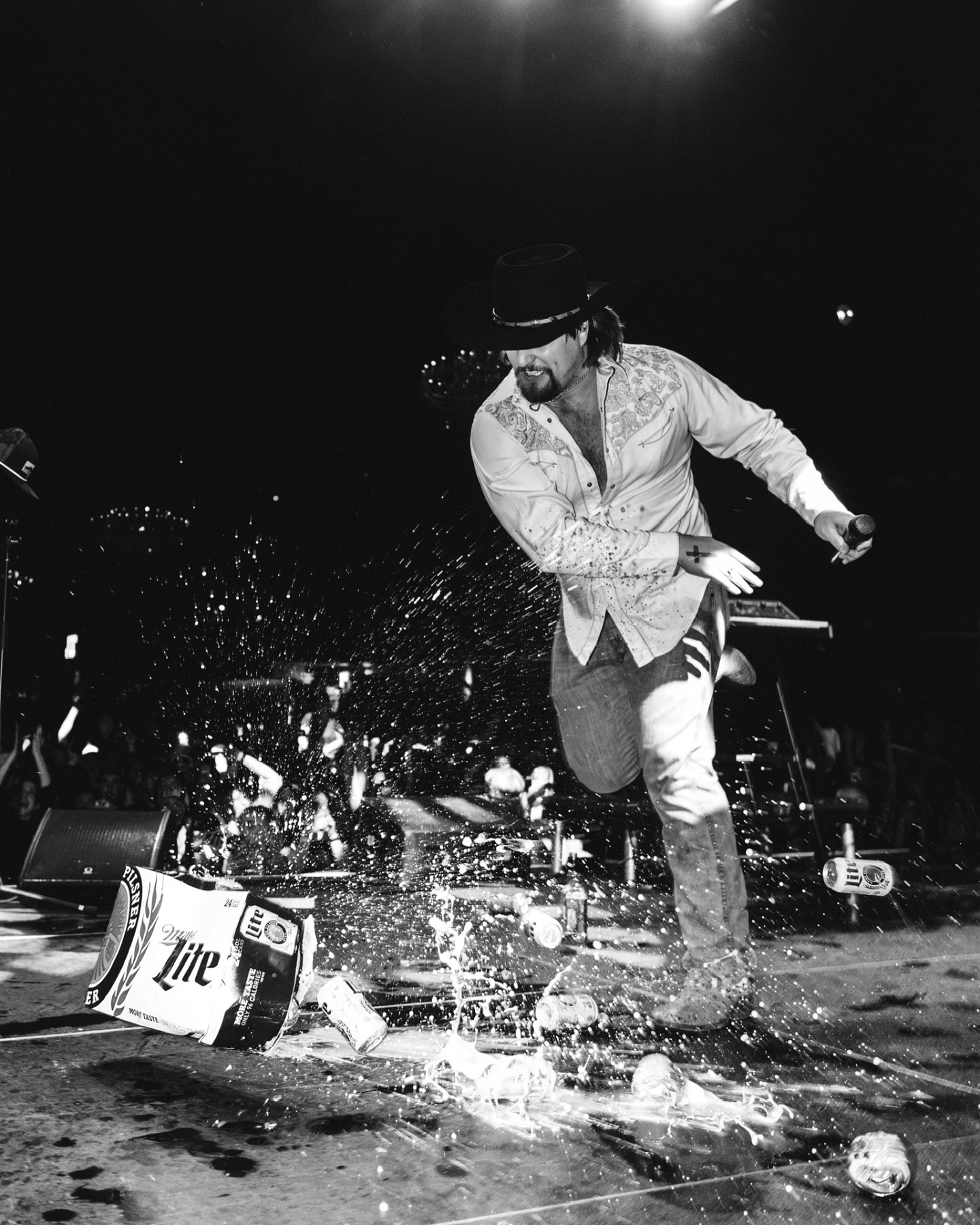
The myth of Gavin Adcock is not a fixed story but an ongoing collaboration between the man and the people who believe in him. Each night on stage, each wild headline, each song release adds another layer to a living narrative that belongs as much to the audience as it does to Gavin himself. It’s a rare kind of magic, one that cannot be manufactured, only lived. And right now, Gavin Adcock is living it better than anyone.
Joseph Campbell wrote, “The hero’s story is the story of all of us. It is the one story worth telling.” For Gavin Adcock, that story is one of love, hope, and rebellion. His music invites you to live fully in the glorious mess of life, embracing its mystery rather than fearing it. In those moments, the pain eases just enough to see the good in the bad and the joy in the sorrow. It rekindles your thirst for adventure and leaves you wanting the same for everyone you care about.